by Kate Parvel
Metadata Past and Future
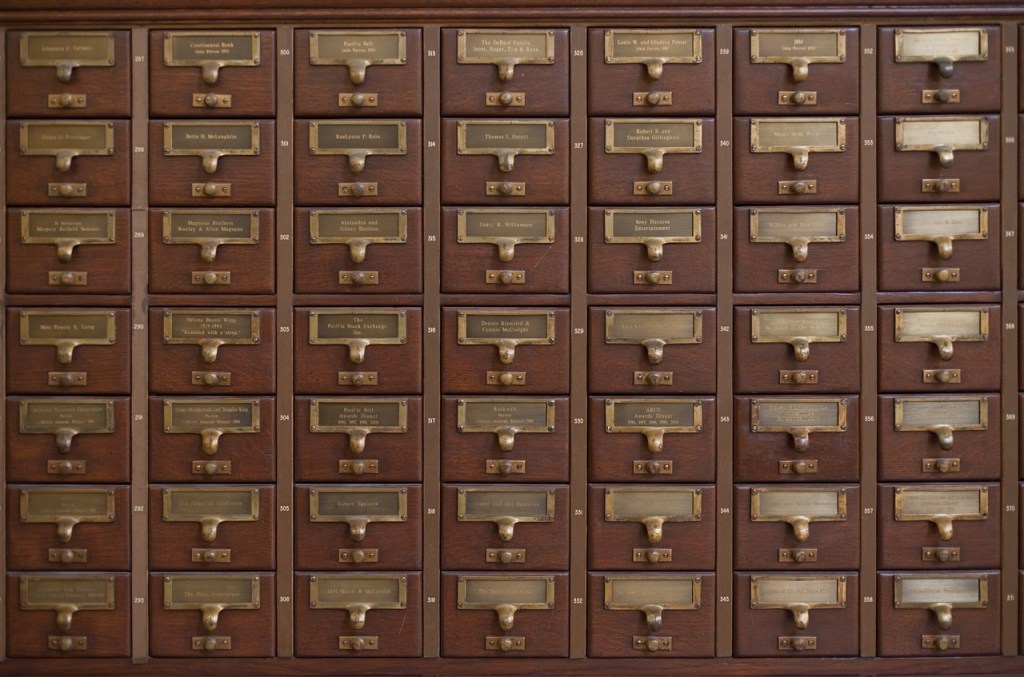
Metadata is information listed about a particular holding in a collection. Its purpose is to help the library user access the collection efficiently. Metadata is input by humans into schemas and accessed through computer interfaces. The schema (or standard cataloging format) that has been widely adopted by libraries is the MARC record. Standard records allow patrons to easily access the materials they seek. The interface used to access the MARC records is called OPAC (online public access catalog) and is a binary interface, a tool for searching and retrieving data.
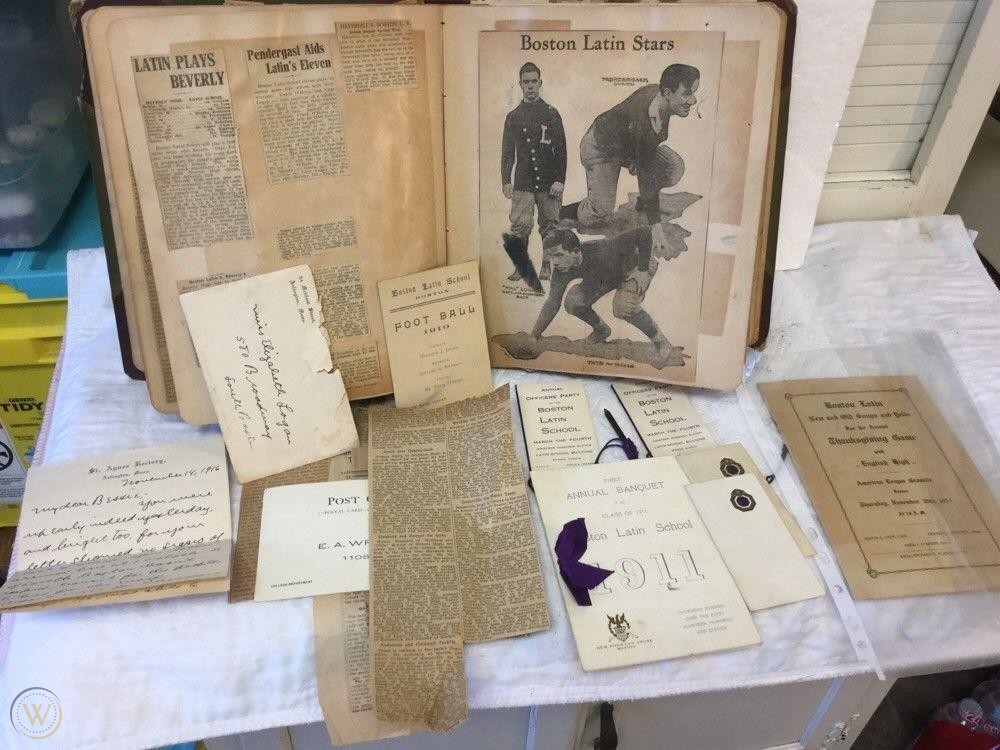
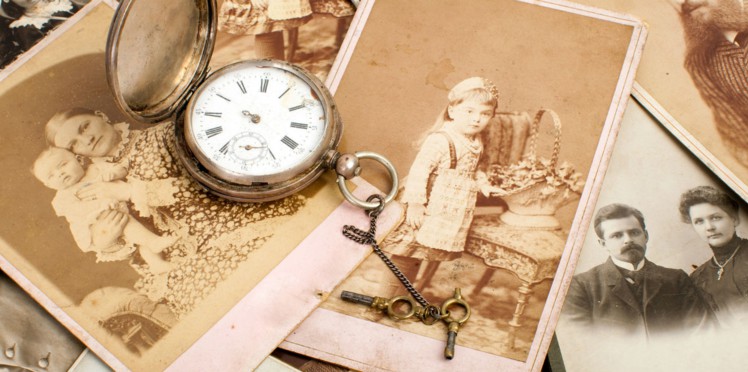
Libraries have changed over the years to include materials that don’t fit into the traditional MARC record. Special collections items are non-traditional library items such as: photographic images, local history collections, genealogy records, art, historical documents, ephemera, maps, music, oral histories and textiles. These items are cataloged in a variety of different schemas, depending on the collection. Metadata is no longer just descriptive and has become more diversified. Multiple schemas were developed to be able to better handle this diversification, although it forces users to search multiple databases for information.
While libraries do a good job of cataloging for their own organizations’ special collections, information cannot be easily shared on the internet because most metadata is in schemas that are not web-ready. It’s in a language that computers cannot interpret. For items to be linked, and found on the internet, each needs their own unique URI (Uniform Resource Identifier). This can be done in a different language called XML. Extensible Markup Language allows machines to process data and mine for linked data for the user. With the right language, computers are able to search for and recognize relationships between entities and provide useful links to other related material, making the user experience much richer. The Library of Congress uses XML language in their BIBFRAME interface and Google uses Schema.org which uses XML language. At this time, however, there is no agreement as to one common web standard of cataloging for libraries.
To stay relevant, libraries will need to change to newer technologies instead of being independent “silos” of information. Linked data models offers wider user access of information, dynamic search capabilities and a lower chance of duplicating information. It decreases information storage costs of libraries and provides the user with more credible information. Drawbacks to switching from a binary schema to XML are that XML involves complex technologies which would require extensive librarian training. Expert technicians would have to convert MARC and other records. Libraries may have a lack of technical infrastructure and money to support a new interface. There are also copyright, legal and privacy concerns as well as ownership and data curation challenges associated with linked data. Although a standard universal web record is the goal for libraries, it may not be happening in the near future.
 INF 6010: Special Collections in the Digital Age