Welcome!
Libraries have changed tremendously with computer advancements in the digital age. In this blog we will explore a few different types of special library collections within libraries. Kate will examine how the metadata for special collections is recorded in schemas and you will learn about some of the limitations of those schemas. You will also learn, from Caroline, about some of the costs and benefits of digitizing special textile/clothing collections. Diana will discuss keeping up with aging software and hardware for born-digital materials while Emily explores copyright issues which may affect digital collections. Allison introduces you to different facets of public libraries’ special collections in the digital age. We hope you enjoy these articles and learn a little something, We look forward to a lively discussion with you on Canvas.
Sincerely,
Allison, Caroline, Diana, Emily and Kate
Providing Access to Born-Digital Material in Special Collections

By Diana Thurm
ArticleReferences
Warp, Weft, and the Worldwide Web: The Costs and Benefits of Broadening Access to Textile/Clothing Collections through Digital Distribution
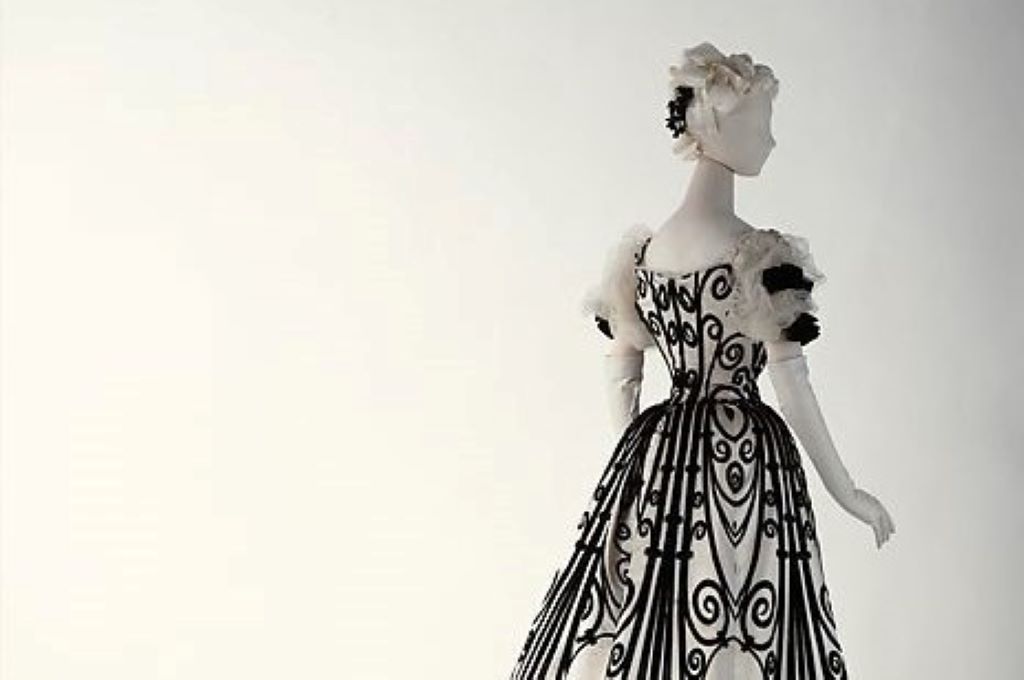
By Caroline Breul
Metadata for Special Collections
By Kate Parvel
Digital Collections & Copyrights
By Emily Clare
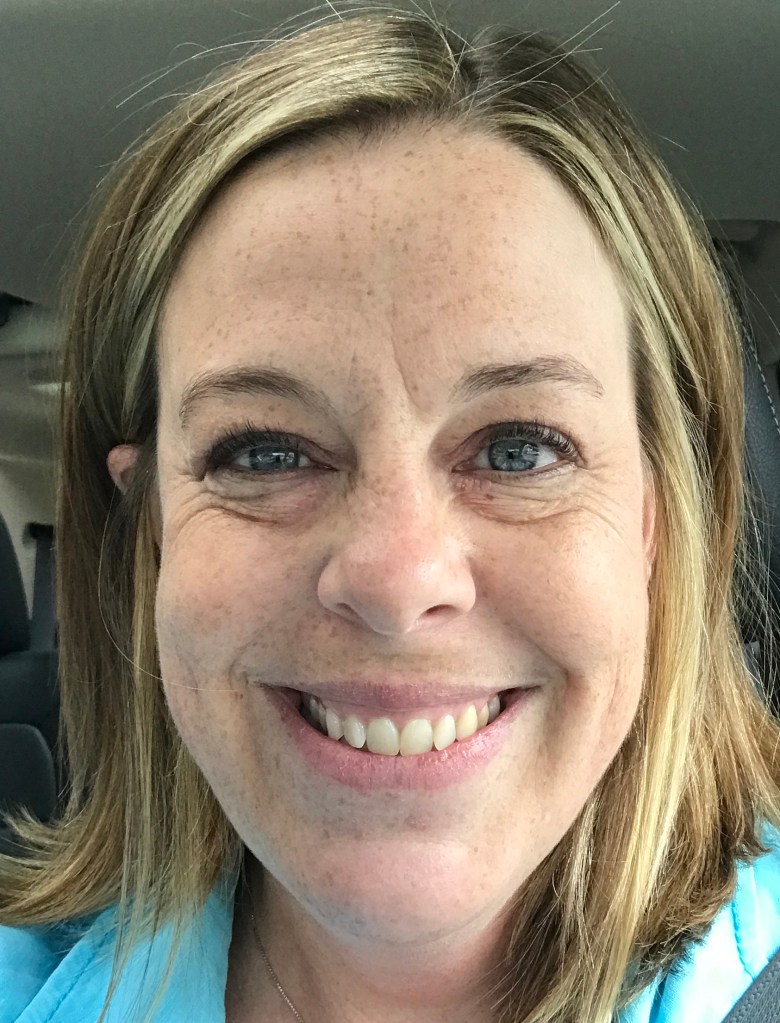
“Special collections in libraries will be more accessible to users when item metadata is linked on the Internet.”
Kate Parvel, Wayne State University student, School of Information Sciences
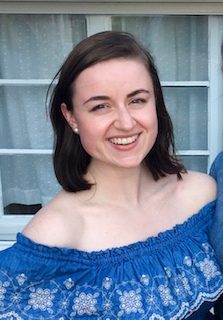
“A digitized and searchable special collection is one that meets its users where they are, and preserves artifacts in a more meaningful way.”
Caroline Breul, Wayne State University student, School of Information Science
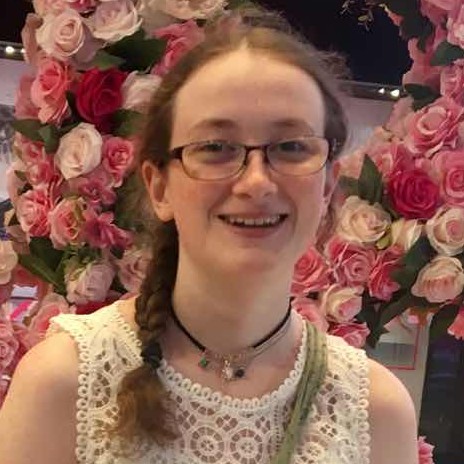
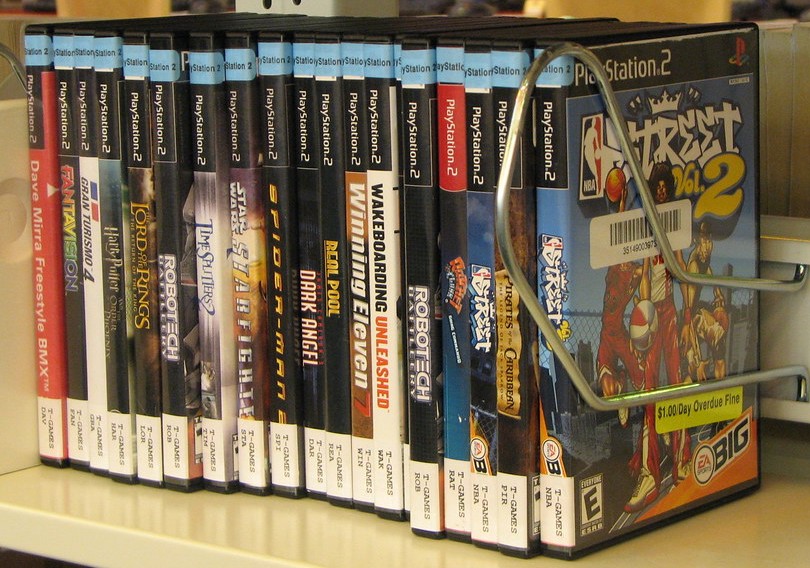
“Public libraries have more than adapted to the age of technology. If anything, they’re thriving in it. “
Allison Westfall, Wayne State University, School of Library and Information Science
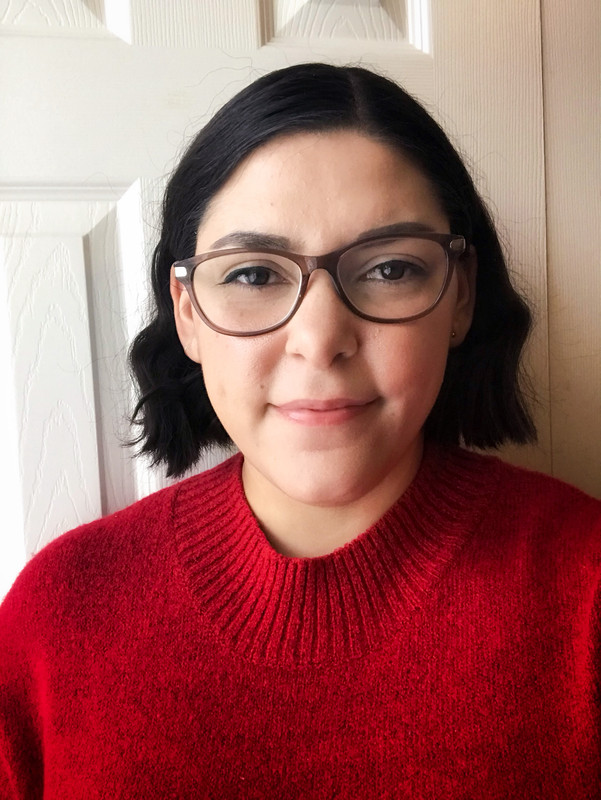
“The future of access depends on software preservation now.”
Diana Thurm, Wayne State University student, School of Information Science
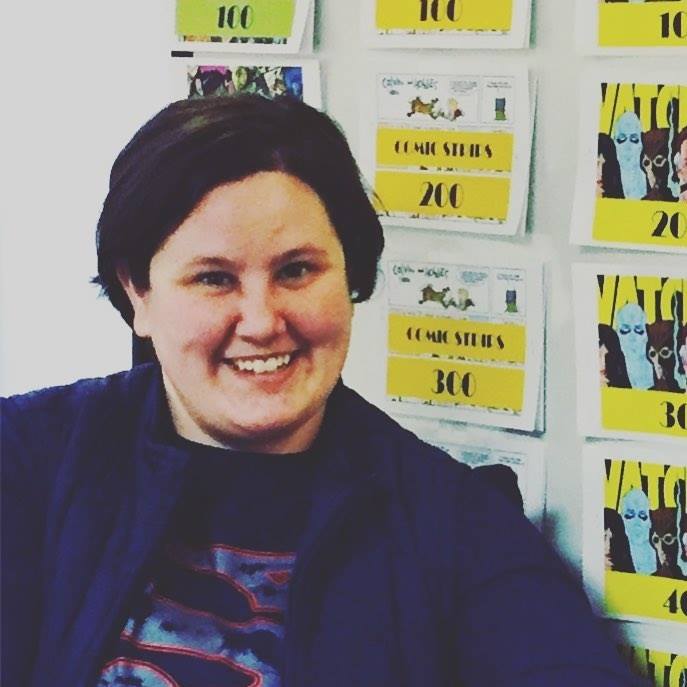
“As difficult as it may be to determine an item’s copyright or ownership, information professionals must do the best they can to determine what may be fair use, what may be in the public domain, or attempt to gain permission in order to fulfill the mission of their institution.”
Emily Clare
Wayne State University, School of Information Science
Conclusions
Our blog specifically focuses on Special Collections in the Digital Age. Computers have allowed for many advancements in libraries, including how data for collections is stored, how collections are accessed and what types of things are included in different special collections. Some unique issues about copyright and ownership of collection items have also arisen since introducing computers into libraries. Libraries are changing to include non-traditional items in their collections because there is patron need and desire to borrow these items. We will continue to see more changes in library collections which will make accessing library materials easier twenty-four hours per day on the internet. More often, in the future, patrons will come to expect that they can gain all-hours access to materials. Changes in the ways patrons access information and library items can sometimes seem excruciatingly slow, because libraries are up against some technological hurdles, but libraries are continuing to work towards optimal systems to best serve their patrons.
Our team collaborated on Google Docs as well as on Discord, a free online chat site. We are all students in INF 6010 at Wayne State University. Nancy Steffes is our instructor.
Emily set up the template for our blog, Kate wrote the introduction and conclusion. All of us chose photos to enhance our blog. Each of us prepared two individual blog pages; one for the article and one for the references. Each of us also wrote a quote about our article and submitted a picture of herself.
Reach out with any questions or comments you may have about our blog posts. We’d love to discuss these topics further with you.
All discussions will be held on our Discussion Board in Canvas on the Wayne State site.
Thank you for taking time to read our blog entries and for your thoughtful discussions.
 INF 6010: Special Collections in the Digital Age