Researching fashion is a bit of a gamble if you’re using Google; access to accurate references is crucial for good research. But accessing “the real deal” has often meant physically visiting a specialized institution, as fashion is often what is called a “neglected material”. But what if you don’t have money for a plane ticket to visit the Kyoto Costume Institute or the Met? This is where the power of a digitized special collection shines.
Special collections are by definition, a unique and rare group of culturally valuable items. As such, they stand to benefit the most from digitization; these artifacts, otherwise only accessible to few, can become available to the many. The ability to share these artifacts is a gift – and a challenge.


Both of these dresses are from Wayne State’s Digital Dress Collection!
Challenges
There are challenges universal to any special collection, textile or not. Collections of any kind require:
- Specialized knowledge and skills to preserve the collection, and;
- Large, secured, temperature- and light-controlled facilities to house it.
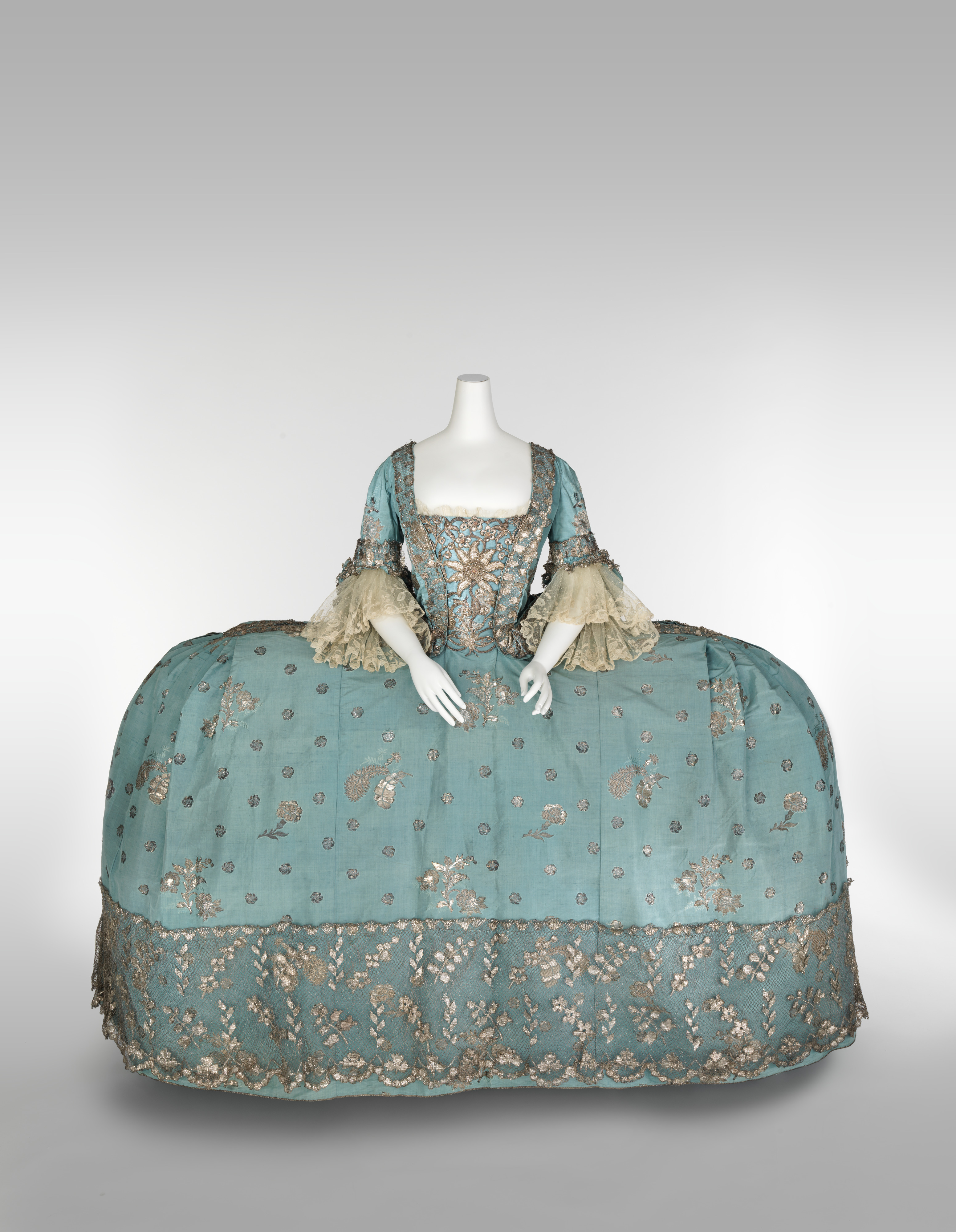
Clothing is particularly costly to preserve; some pieces are too old to be hung and must be laid flat in an archival box with as few folds as possible. They cannot be “taken out” like old books can, and are often unwieldy and fragile. Imagine trying to store some of the garments below!
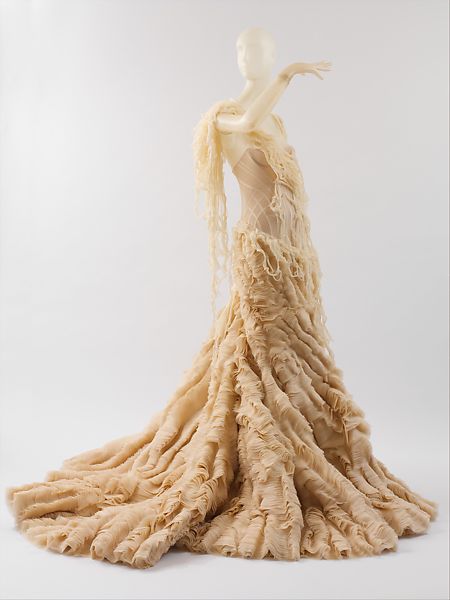
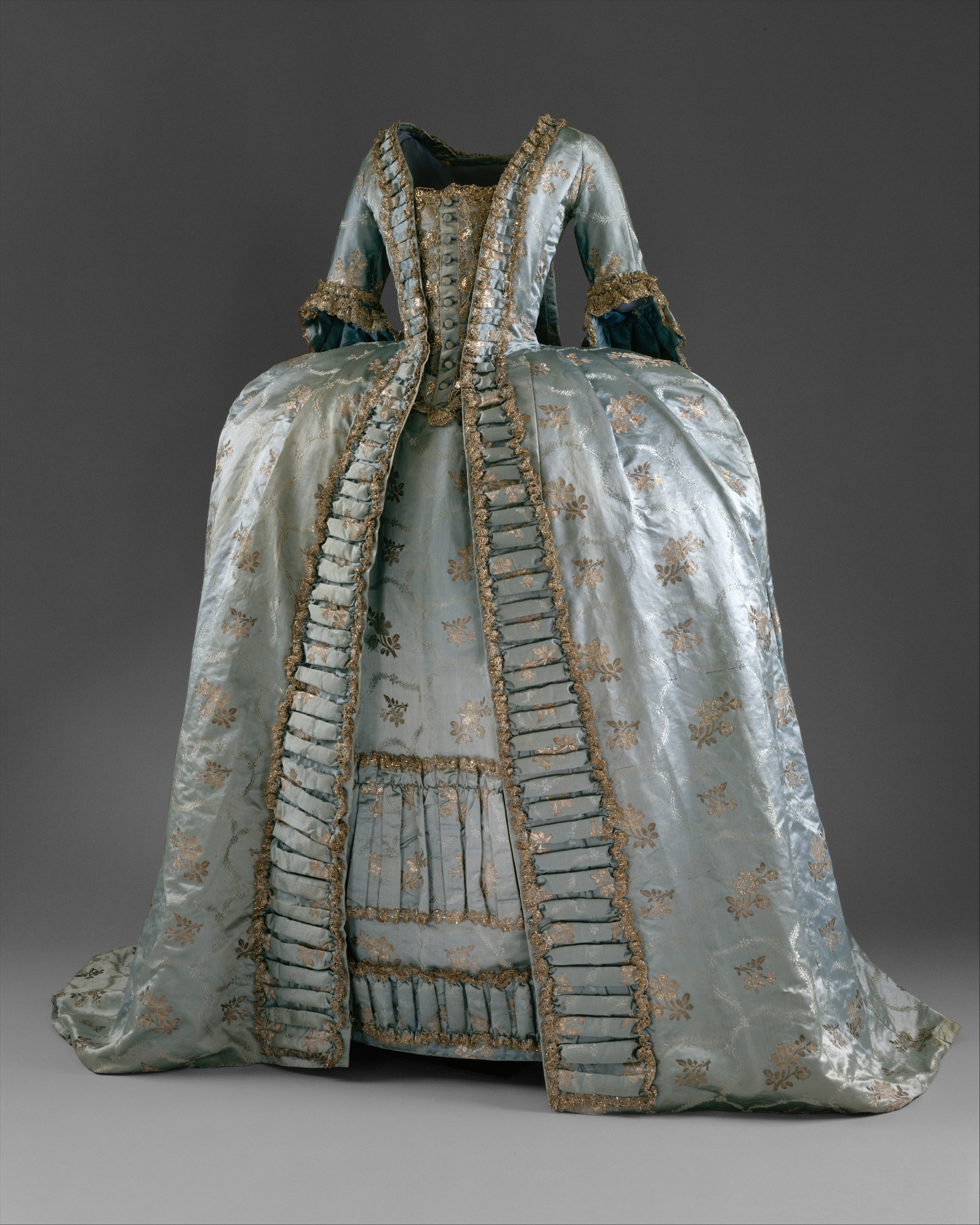
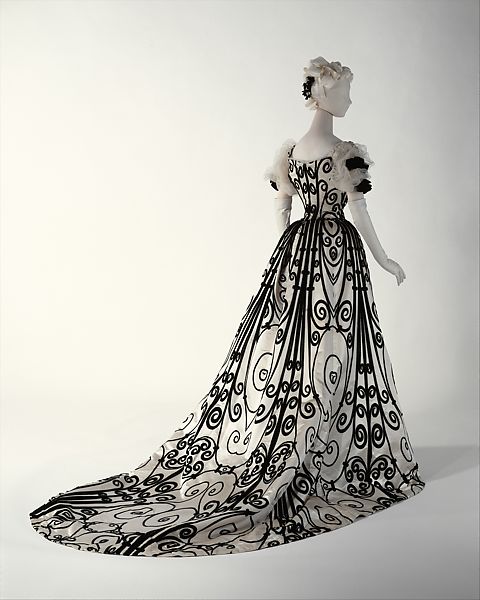
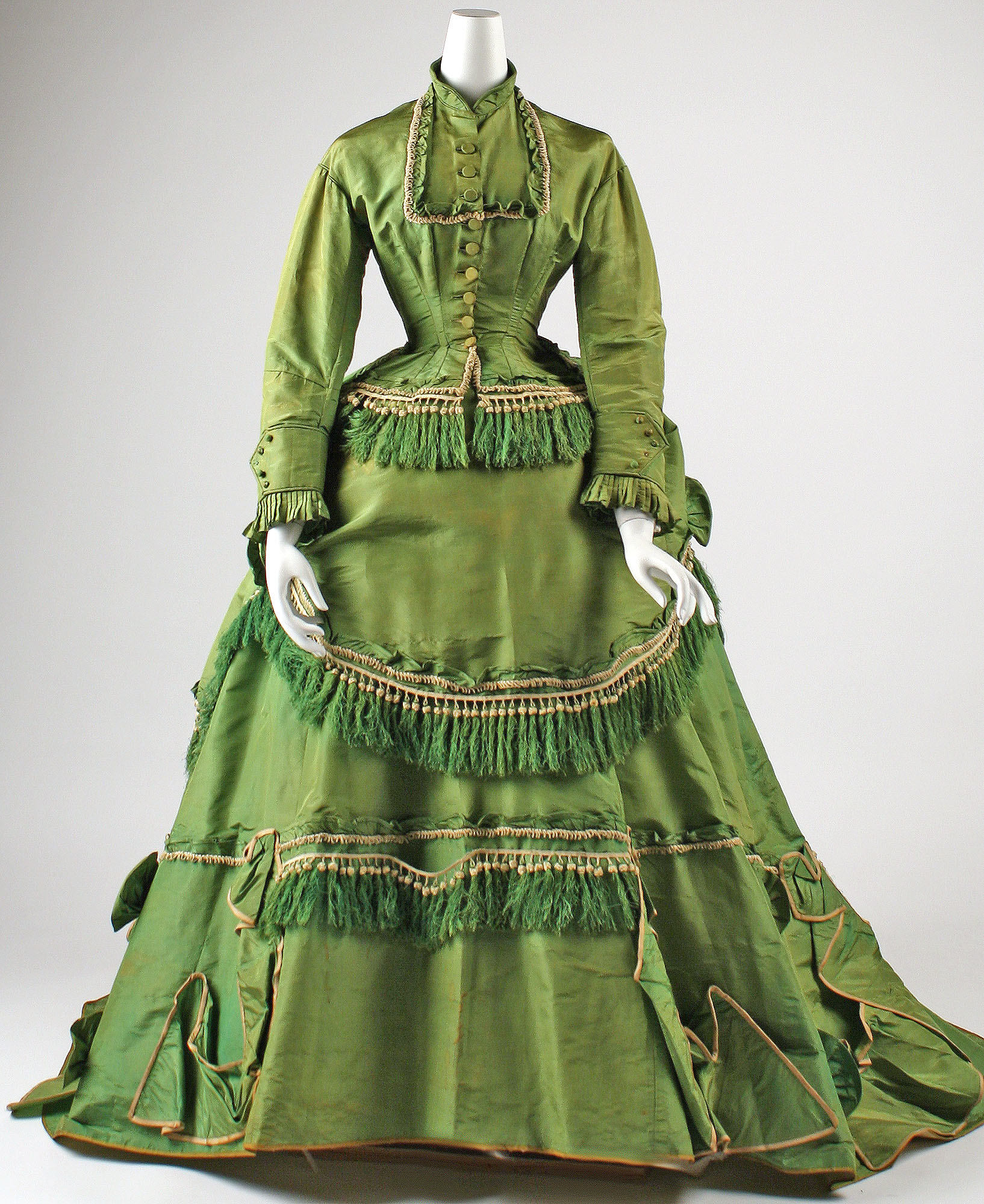
Preservation aside, digitization poses even more challenges:
- The skills and knowledge needed to safely mount and photograph clothing;
- The infrastructure, technical skill, and subject knowledge needed to create a usable database,
- An commitment to navigating changing metadata standards, and;
- A clear understanding of who “owns” any digital records.
Because of these challenges, garments are often left out of the digital realm of special collections.
So why do it?
If an institute has already collected and preserved these garments, digitization turns a closed collection into an international resource, no matter how small the collection.
- Digitization greatly reduces the access barrier, encouraging new scholarship. It also increases their value as resources and the institute’s value as a producer of knowledge.
- Fashion is often of popular interest; a good collection of garments can bring positive attention to a library from casual browsers.
- Each time someone moves a garment, it is at risk of damage. Digitizing them ensures they are seen and used to their full extent without handling.
- By treating a special collection like any other electronic resource, librarians can make these artifacts even more useful; for instance, the ability to sort by designer and era! Some, like the Smithsonian, have even turned some objects 3-D!
- Most of the garments currently preserved are European/American; culturally appropriate collection, preservation, and digitization of non-eurocentric textiles would open them to a larger audience.
A digitized and searchable special collection is one that meets its users where they are, and brings niche collections to a wider audience. In the world of fashion research, this means that expertly-preserved textiles are just a click away – no trip to the Met required!
 INF 6010: Special Collections in the Digital Age